Proper lubrication is the lifeblood of any internal combustion engine. While oil pumps, filters, and oil pans are well known to most drivers, the internal oil passages inside the engine block often go unnoticed. These precisely engineered channels play a crucial role in delivering oil exactly where it is needed, ensuring smooth operation, reduced friction, and long engine life. Understanding how oil passages work helps explain why oil quality, pressure, and cleanliness are so important.
What Are Oil Passages in an Engine Block?
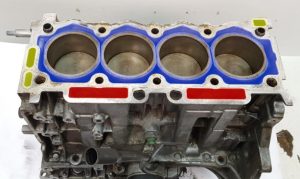
Oil passages are internal channels cast or machined into the engine block and cylinder head. Their main purpose is to distribute pressurized engine oil from the oil pump to all critical moving components.
These passages form a complex lubrication network that supplies oil to:
-
Crankshaft main and rod bearings
-
Camshaft bearings
-
Valve train components
-
Pistons and cylinder walls
-
Turbochargers (in turbocharged engines)
Without properly functioning oil passages, even the strongest engine components would quickly fail.
The Oil Flow Path: Step by Step
Understanding the oil’s journey through the engine clarifies the importance of oil passages.
1. Oil Pickup and Pumping
-
Oil is stored in the oil pan at the bottom of the engine.
-
The oil pump draws oil through a pickup tube and screen.
-
The pump pressurizes the oil and sends it into the main oil gallery.
2. Main Oil Gallery
The main oil gallery is the primary distribution channel running through the engine block.
Its functions:
-
Supplies oil to crankshaft main bearings
-
Feeds connecting rod bearings via drilled crankshaft passages
-
Distributes oil upward to the cylinder head
Lubrication of Major Engine Components
Crankshaft and Bearings
Oil flows from the main gallery into the main bearings. From there:
-
Oil passes through drilled holes in the crankshaft
-
It reaches the connecting rod bearings
-
A thin oil film prevents metal-to-metal contact
Pistons and Cylinder Walls
Some engines use oil squirters (jets) connected to oil passages that:
-
Spray oil onto the underside of pistons
-
Help cool pistons
-
Lubricate cylinder walls
Camshaft and Valve Train
Oil passages route oil upward to:
-
Camshaft bearings
-
Hydraulic lifters
-
Rocker arms and valve stems
This ensures smooth valve operation and reduces wear at high engine speeds.
Oil Passages in the Cylinder Head
The cylinder head contains smaller, more intricate oil passages.
| Component Lubricated | Oil Function |
|---|---|
| Camshaft lobes | Reduce friction and wear |
| Valve springs | Minimize heat and corrosion |
| Hydraulic lifters | Maintain valve lash automatically |
| Timing components | Reduce chain or gear wear |
After lubricating these parts, oil drains back to the oil pan through return passages.
Oil Pressure Regulation
Oil passages work together with pressure-regulating components.
Key elements include:
-
Pressure relief valve to prevent overpressure
-
Restrictors to control oil flow to sensitive areas
-
Filters to remove contaminants before oil enters passages
Balanced oil pressure ensures that all components receive adequate lubrication without excessive stress.
Common Problems Related to Oil Passages
Blocked or restricted oil passages can cause serious engine damage.
Typical causes:
-
Sludge buildup from infrequent oil changes
-
Contaminated or low-quality oil
-
Metal debris from worn components
-
Improper engine assembly
Warning signs:
-
Low oil pressure warning light
-
Knocking or ticking noises
-
Overheating engine components
-
Accelerated bearing wear
Preventive Maintenance for Healthy Oil Passages
To keep oil passages functioning correctly:
-
Change engine oil and filter at recommended intervals
-
Use manufacturer-approved oil viscosity
-
Avoid excessive engine overheating
-
Flush the lubrication system during engine rebuilds
Regular maintenance prevents deposits that can restrict oil flow.
Oil Passages and Engine Design Variations
Different engine designs use oil passages in slightly different ways.
| Engine Type | Oil Passage Characteristics |
|---|---|
| Inline engines | Straightforward main galleries |
| V-type engines | Separate galleries for each bank |
| DOHC engines | Complex head passages for dual camshafts |
| Turbocharged engines | Additional passages for turbo lubrication |
Modern engines often have more complex oil routing to meet higher performance and efficiency demands.
Why Oil Passage Design Matters
Well-designed oil passages:
-
Ensure consistent lubrication at all RPMs
-
Reduce internal friction
-
Improve fuel efficiency
-
Extend engine service life
Poor design or maintenance can lead to uneven lubrication and catastrophic engine failure.
When Replacing or Rebuilding an Engine
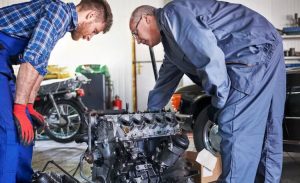
During engine replacement or overhaul:
-
Oil passages must be thoroughly cleaned
-
Blocked galleries must be cleared
-
Proper assembly alignment is critical
Using complete, factory-balanced assemblies reduces lubrication risks. For reliable solutions, you can buy Complete Engine online and ensure oil passages are engineered and assembled to exact specifications.
Summary Table: Oil Passages at a Glance
| Aspect | Purpose |
|---|---|
| Main oil gallery | Distributes oil throughout engine |
| Secondary passages | Feed specific components |
| Return passages | Drain oil back to pan |
| Oil jets | Cool and lubricate pistons |
| Pressure control | Maintain stable oil flow |
Conclusion
Oil passages inside the engine block form a vital internal network that keeps every moving part lubricated, cooled, and protected. From the crankshaft and pistons to the valve train and turbocharger, these channels ensure oil reaches critical components under the right pressure and volume. Proper oil passage function depends on thoughtful engine design, clean oil, and regular maintenance.
When maintaining or replacing an engine, lubrication quality should never be compromised. Choosing well-designed assemblies helps avoid costly failures and ensures long-term reliability. For dependable engine solutions built with precisely engineered oil passages, you can confidently buy Complete Engine online and keep your engine running smoothly for years to come.