When building or repairing an engine, one of the first decisions a builder or buyer often faces is whether to use forged or cast components. This choice influences performance, durability, cost, and the overall behavior of the engine. While both manufacturing methods produce essential engine parts, they deliver different mechanical characteristics and applications. Understanding these differences helps you make informed decisions — whether you’re upgrading a performance vehicle, rebuilding a daily driver, or choosing a complete replacement. If you’re considering comprehensive solutions, you can buy Complete Engine online to find options that match your performance and budget goals.
What Are Engine Components?

Engine components include a wide range of internal parts such as:
-
Crankshafts
-
Connecting rods
-
Pistons
-
Cylinder heads
-
Engine blocks
-
Valves and gears
These components must withstand high temperatures, pressure, and repeated stress. The manufacturing method — forging or casting — plays a major role in how well they perform.
What Is Casting?
Casting is a process in which molten metal is poured into a mold and allowed to cool and solidify into a specific shape. Cast parts can achieve complex geometries and are commonly used in modern mass-production engines.
Casting Process:
-
Create a mold (sand, ceramic, or permanent)
-
Melt the metal (aluminum, iron, etc.)
-
Pour molten metal into the mold
-
Allow it to cool and solidify
-
Remove cast part and finish (machine, grind, polish)
Benefits of Casting
-
Cost-effective for high-volume production
-
Can create complex shapes with minimal machining
-
Good dimensional accuracy
-
Suitable for many everyday automotive applications
Drawbacks of Casting
-
Lower strength compared to forged parts
-
Potential for internal porosity and defects
-
Less resistance to fatigue and shock loads
What Is Forging?
Forging involves shaping solid metal under high pressure, often while heated, but not melted. The metal’s grain flow becomes aligned through forging, creating a part with superior strength and fatigue resistance.
Forging Process:
-
Heat billet or bar stock to forging temperature
-
Apply pressure using a press or hammer
-
Shape metal into a die
-
Finish through machining and heat treating
Benefits of Forging
-
Higher strength and durability
-
Finer internal grain structure
-
Better resistance to impact and fatigue
-
Ideal for performance and heavy-duty engines
Drawbacks of Forging
-
Higher manufacturing cost
-
Limited geometric complexity compared to casting
-
Requires additional machining
Forged vs Cast: Side-by-Side Comparison
| Aspect | Forged Components | Cast Components |
|---|---|---|
| Strength | Very High | Moderate to High |
| Durability | Excellent | Good |
| Fatigue Resistance | Excellent | Moderate |
| Geometric Complexity | Moderate | High |
| Cost | Higher | Lower |
| Production Volume | Lower (more costly) | Ideal for mass production |
| Application | Performance/Heavy Load | Standard engines |
Where Forged and Cast Parts Are Commonly Used
Cast Components
-
Engine blocks
-
Cylinder heads
-
Intake manifolds
-
Valve covers
These parts benefit from complex geometry and lower production cost, making them ideal for everyday cars and standard engines.
Forged Components
-
Crankshafts
-
Connecting rods
-
High-performance pistons
-
Gears in racing transmissions
Forged parts are favored in performance engines, heavy-duty applications, commercial vehicles, and racing due to their superior mechanical properties.
Performance Considerations
Strength and Reliability
Forged parts resist deformation and cracking better than cast parts under high stress. This makes them preferable in engines that see frequent high RPM or torque spikes, such as:
-
Sports cars
-
Towing vehicles
-
Racing engines
-
Turbocharged or supercharged engines
Weight and Balance
While cast parts can be made lightweight due to intricate designs, forged components often require more material for strength. However, modern engineering techniques (like forging followed by precision machining) can produce balanced, high-strength, lightweight parts.
Cost vs. Performance Trade-Off
| Goal | Recommended Component Type |
|---|---|
| Daily commuting | Cast |
| Light performance upgrades | Combination (forged rods, cast block) |
| High-performance engine | Forged |
| Heavy-duty work | Forged |
Many engine builders choose a hybrid approach: a cast block for affordability and forged internals (crank, rods, and pistons) for strength. This combination offers durability without the full cost of a completely forged engine.
Maintenance and Longevity
Forged parts often outlast cast parts in harsh conditions. However, both types can have long service lives when properly maintained with:
-
Regular oil changes
-
Correct torque and installation practices
-
Quality cooling systems
-
Proper break-in procedures for new or rebuilt engines
Replacing worn or damaged components with the right type for your engine’s use case ensures reliability and performance.
Real-World Applications: Case Studies
Daily Driver Engine
-
Cast block and heads
-
Cast pistons
-
Standard driving conditions
-
Low-to-moderate performance demands
Performance Upgrade Engine
-
Cast block
-
Forged crankshaft and rods
-
Forged pistons
-
Suitable for occasional spirited driving or mild tuning
Race or Heavy-Duty Engine
-
Forged block (sometimes billet)
-
Forged internals (crank, rods, pistons)
-
High boost or high RPM applications
-
Maximum strength and durability
Choosing the Right Engine or Parts
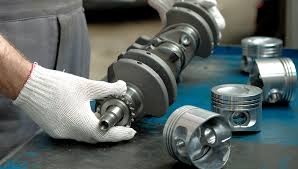
When selecting engine components or a complete engine, consider the intended use:
-
Daily use → Cast components offer cost-effective reliability
-
Performance use → Forged components ensure strength under stress
-
Heavy loads / racing → Fully forged engines provide maximum durability
If you’re sourcing a complete engine or internal components tailored to your needs, you can buy Complete Engine online and choose configurations built with the right materials and manufacturing methods for your goals.
Conclusion
Forged and cast engine components each have their place in automotive engineering. Cast components are cost-effective and capable for everyday engines, offering complex designs and efficient production. Forged components provide superior strength, fatigue resistance, and durability, making them the choice for performance and heavy-duty applications.
Understanding these differences enables smarter decisions when building, repairing, or upgrading an engine. Whether you’re tuning a performance ride or replacing a worn powerplant, prioritizing the right material and manufacturing method ensures long-term performance and peace of mind. To find complete engines and components designed to meet your requirements, be sure to buy Complete Engine online and select the best configuration for dependable performance and longevity.