Rocker arms are critical components of an internal combustion engine’s valvetrain. They transfer motion from the camshaft (via pushrods or directly) to the engine valves, controlling valve lift, timing, and overall engine breathing. While rocker arms may look simple, their material and design have a major influence on durability, engine performance, and reliability.
Today, the most common rocker arm types are steel, aluminum, and roller rockers. Understanding how these materials differ helps engine builders and everyday drivers choose the right solution for their driving style and engine demands.
What Rocker Arms Do in an Engine
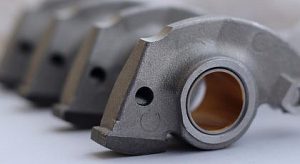
Rocker arms serve several essential functions:
-
Convert camshaft motion into valve movement
-
Maintain correct valve timing and lift
-
Withstand constant mechanical stress and high temperatures
-
Operate reliably at idle and high RPM
Because rocker arms move thousands of times per minute, material strength and wear resistance are crucial.
Why Rocker Arm Material Matters
The material of a rocker arm affects:
-
Weight – lighter components reduce valvetrain inertia
-
Strength – determines resistance to bending or breakage
-
Wear resistance – impacts longevity and maintenance intervals
-
Heat tolerance – critical for high-performance or heavy-duty engines
Choosing the wrong material can lead to valve float, accelerated wear, or even catastrophic engine damage.
Steel Rocker Arms
Steel rocker arms are widely used in OEM (factory) engines and many rebuilds.
Advantages of Steel Rockers
-
High strength and durability
-
Excellent resistance to deformation
-
Long service life under normal conditions
-
Affordable and widely available
Disadvantages of Steel Rockers
-
Heavier than aluminum alternatives
-
Increased valvetrain mass can limit high-RPM performance
Steel rockers are ideal for daily drivers, diesel engines, and long-life reliability-focused builds.
Aluminum Rocker Arms
Aluminum rocker arms are popular in performance-oriented engines due to their lighter weight.
Advantages of Aluminum Rockers
-
Significantly lighter than steel
-
Reduced valvetrain inertia
-
Improved throttle response
-
Better high-RPM capability
Disadvantages of Aluminum Rockers
-
Lower strength than steel
-
More prone to wear if lubrication is poor
-
Shorter lifespan in extreme-duty applications
Aluminum rockers are commonly used in sports cars, naturally aspirated performance engines, and moderate racing applications.
Roller Rockers (Steel or Aluminum with Bearings)
Roller rockers are a design upgrade rather than a single material type. They feature needle bearings or rollers at contact points.
Key Features of Roller Rockers
-
Roller tip reduces friction against the valve stem
-
Bearing pivot minimizes energy loss
-
Available in steel or aluminum bodies
Advantages of Roller Rockers
-
Reduced friction and heat
-
More accurate valve motion
-
Increased power efficiency
-
Extended valve and camshaft life
Disadvantages of Roller Rockers
-
Higher cost
-
More complex design
-
Requires precise installation
Roller rockers are best suited for high-performance, turbocharged, and motorsport engines.
Comparison Table: Rocker Arm Materials
| Feature | Steel Rockers | Aluminum Rockers | Roller Rockers |
|---|---|---|---|
| Weight | Heavy | Light | Medium–Light |
| Strength | Very High | Moderate | High |
| Wear Resistance | Excellent | Moderate | Excellent |
| Friction Level | Higher | Moderate | Very Low |
| High-RPM Performance | Limited | Good | Excellent |
| Cost | Low | Medium | High |
| Typical Use | OEM, daily driving | Performance street | Racing, high output |
How Material Choice Affects Engine Performance
1. Engine Speed (RPM)
Lighter rocker arms reduce inertia, allowing valves to open and close more accurately at high RPM.
2. Valve Train Stability
Stronger materials resist flexing, preventing valve timing errors and valve float.
3. Longevity and Maintenance
Steel rockers last longer with minimal maintenance, while aluminum and roller designs require better lubrication and inspection.
4. Power Efficiency
Roller rockers reduce friction, freeing up small but measurable horsepower gains.
Which Rocker Arm Is Right for You?
Choose steel rockers if you:
-
Drive daily or long distances
-
Prioritize reliability over performance
-
Want low maintenance costs
Choose aluminum rockers if you:
-
Seek better engine response
-
Run higher RPMs
-
Build a performance-oriented street engine
Choose roller rockers if you:
-
Build a high-performance or racing engine
-
Want maximum efficiency and precision
-
Are upgrading camshafts and valvetrain components
Installation and Compatibility Considerations
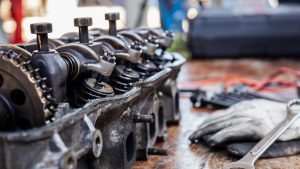
Before upgrading rocker arms, always consider:
-
Camshaft profile compatibility
-
Valve spring pressure
-
Pushrod length
-
Engine manufacturer specifications
Incorrect matching can cause premature wear or engine damage.
Where to Buy Quality Rocker Arms
If you are planning an upgrade or replacement, you can easily buy Rocker/Tappet online from a reliable selection of high-quality components designed for durability and performance.
Conclusion
Steel, aluminum, and roller rockers each serve different purposes within an engine. Steel rockers offer unmatched durability and reliability, aluminum rockers provide lighter weight and improved responsiveness, while roller rockers deliver superior efficiency and high-RPM performance.
Choosing the right rocker arm material depends on your engine type, driving style, and performance goals. By understanding these differences and investing in quality components, you ensure smoother operation, longer engine life, and optimal performance under all driving conditions.