Modern internal combustion engines rely on a complex network of systems to operate efficiently and reliably. One often overlooked but critically important component is the crankcase ventilation system. Its primary role is to control pressure inside the engine and manage harmful gases produced during combustion. Without proper crankcase ventilation, engines would suffer from oil leaks, reduced performance, and accelerated wear. This article explains how crankcase ventilation systems work, why they are essential, and how they protect your engine from pressure build-up.
What Is a Crankcase Ventilation System?
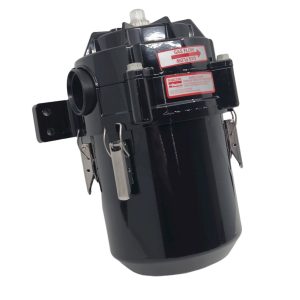
The crankcase ventilation system is designed to remove blow-by gases from the engine’s crankcase. Blow-by occurs when a small amount of combustion gases escapes past the piston rings into the crankcase. These gases contain unburned fuel, moisture, and combustion by-products that increase internal pressure and contaminate engine oil.
A ventilation system safely routes these gases back into the intake system, where they are burned again in the combustion chamber, reducing emissions and maintaining stable engine pressure.
Key Components of a Crankcase Ventilation System
-
PCV (Positive Crankcase Ventilation) valve
-
Vent hoses and pipes
-
Oil separator or baffle
-
Crankcase breather
-
Intake manifold connection
How Crankcase Ventilation Prevents Pressure Build-Up
Pressure build-up inside the crankcase can cause serious engine problems. The ventilation system prevents this through continuous gas circulation.
Main Functions:
-
Pressure regulation
Excess gases are removed to prevent seals and gaskets from failing. -
Oil contamination control
Moisture and fuel vapors are expelled, preserving oil quality. -
Emission reduction
Harmful gases are reburned instead of released into the atmosphere. -
Improved engine efficiency
Stable crankcase pressure reduces internal resistance and oil aeration.
Types of Crankcase Ventilation Systems
Over time, crankcase ventilation technology has evolved to match stricter emission standards and engine designs.
Common Types:
-
Open ventilation systems
Used in older engines; vent gases directly to the atmosphere. -
Closed ventilation systems
Route gases back into the intake; standard in modern vehicles. -
PCV-controlled systems
Use a PCV valve to regulate gas flow based on engine load and speed.
Why Crankcase Ventilation Is Critical for Engine Protection
Without proper ventilation, pressure and contaminants quickly build up inside the engine. This can lead to:
-
Oil leaks from seals and gaskets
-
Sludge formation inside the engine
-
Increased oil consumption
-
Reduced engine power
-
Premature wear of internal components
A functioning crankcase ventilation system ensures the engine operates within safe pressure limits under all driving conditions.
Common Crankcase Ventilation Problems
Even though the system is simple in principle, several issues can compromise its effectiveness:
-
Clogged PCV valve – restricts gas flow and increases pressure
-
Blocked or cracked hoses – cause vacuum leaks or pressure imbalance
-
Oil separator failure – allows excessive oil vapor into the intake
-
Frozen condensation (cold climates) – blocks ventilation paths
Signs of a Failing Crankcase Ventilation System
Be alert to these warning signs:
-
Excessive oil leaks
-
Whistling or hissing noises from the engine
-
Rough idle or stalling
-
Increased oil consumption
-
Sludge under the oil cap
-
Check engine light related to air/fuel mixture
Maintenance Tips for Crankcase Ventilation Systems
Regular maintenance keeps the system working effectively:
-
Inspect PCV valves at recommended intervals
-
Replace brittle or oil-soaked hoses
-
Clean or replace oil separators if serviceable
-
Use quality engine oil to reduce sludge formation
Table: Crankcase Ventilation System Functions and Benefits
| Function | Benefit |
|---|---|
| Pressure relief | Prevents oil seal and gasket failure |
| Gas recirculation | Reduces harmful emissions |
| Oil vapor separation | Maintains proper air-fuel mixture |
| Moisture removal | Extends engine oil life |
| Internal cleanliness | Reduces sludge and deposits |
Choosing Quality Crankcase Ventilation Components
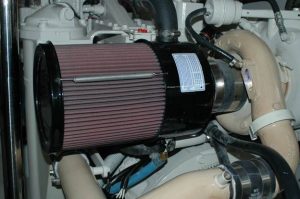
Using high-quality components is essential for long-term reliability. Always select parts designed specifically for your engine type and compliant with OEM standards. To explore a wide range of reliable components, you can Buy Crankcase online and ensure proper engine protection and performance.
Conclusion
Crankcase ventilation systems play a vital role in protecting engines from harmful pressure build-up and contamination. By safely managing blow-by gases, these systems preserve oil quality, prevent leaks, reduce emissions, and extend engine life. Although often overlooked, maintaining crankcase ventilation components is just as important as regular oil changes.
Understanding how the system works and recognizing early signs of failure can save you from costly engine repairs. When replacement or upgrades are needed, choosing quality components is essential. By opting to Buy Crankcase online, you can ensure your engine remains protected, efficient, and reliable for years to come.