Maintaining a healthy engine is a balancing act of many variables — from fuel delivery to cooling systems. Among these, engine oil plays a vital role. Most car owners instinctively understand that good-quality oil is important, but fewer appreciate the equally (if not more) critical role that proper oil pressure plays in ensuring engine longevity and performance.
Before we dive deeper, if you’re looking to buy Engine Oil online, check out this useful resource: Buy Engine Oil online.
The Role of Oil in Your Engine
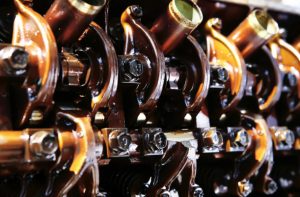
Oil isn’t just “grease” that makes parts slippery. It performs several crucial tasks:
-
Lubrication: Reduces friction between moving parts.
-
Cooling: Draws heat away from components that run hot.
-
Cleaning: Suspends contaminants and prevents sludge buildup.
-
Sealing: Helps maintain compression by sealing gaps in piston rings.
High-quality oil has a well-engineered chemical composition, with additives that improve stability and longevity. However, even the best oil can’t do its job without proper pressure.
What Is Oil Pressure and Why It Matters
Oil pressure refers to the force with which oil circulates through the engine’s lubrication system. It is generated by the oil pump and maintained by proper engine design and oil viscosity.
Think of oil pressure like blood pressure in the human body — adequate pressure ensures that vital organs (engine parts) receive life-sustaining fluid (oil). Too low or too high pressure can be harmful.
How Oil Pressure Works
| Component | Function |
|---|---|
| Oil Pump | Forces oil through the engine at a controlled rate |
| Oil Passages | Pathways for oil to reach bearings and surfaces |
| Pressure Relief Valve | Prevents excessive pressure that can damage seals |
| Galleries & Filters | Routes and cleans oil before reaching critical components |
Proper oil pressure ensures that oil reaches the tight tolerances in bearings, camshafts, and other moving parts before metal-to-metal contact occurs. If pressure is too low, you risk accelerated wear due to inadequate protection. If too high, seals can fail or oil can foam, reducing its protective qualities.
Quality Oil vs. Proper Pressure: What’s More Important?
Many drivers focus on choosing a premium oil — synthetic, high-grade, expensive brands — and overlook the importance of monitoring pressure. Let’s compare the two:
Oil Quality
-
Affects chemical stability
-
Reduces deposits and oxidation
-
Improves heat tolerance
-
Protects against corrosion
Oil Pressure
-
Ensures oil reaches parts on time
-
Maintains lubrication under all operating conditions
-
Critical during cold starts and high-load situations
-
Directly influences wear rates and engine life
In simple terms: Oil quality affects how well the oil performs, while oil pressure affects whether the oil actually reaches where it needs to be.
Common Causes of Improper Oil Pressure
Low or high oil pressure can stem from several factors. Here’s a breakdown:
Low Oil Pressure Causes
-
Worn engine bearings
-
Weak or failing oil pump
-
Excessively thin oil (wrong viscosity)
-
Oil leaks or low oil level
-
Blocked oil pickup tubes
High Oil Pressure Causes
-
Oil viscosity too thick (especially in cold climates)
-
Blocked oil passages
-
Faulty relief valve
-
Cold weather startup before oil warms up
Recognizing these issues early can save you from costly engine repairs.
Symptoms of Oil Pressure Problems
Not all drivers experience a warning light before damage occurs. Here’s what to watch for:
Engine knocking or ticking sounds
Oil pressure gauge reads lower than normal
Illuminated oil warning light
Burning oil smell
Loss of engine performance
Visible leaks underneath vehicle
If these symptoms arise, stop driving and investigate. Immediate attention can prevent catastrophic engine failure.
Tips for Maintaining Proper Oil Pressure
Maintaining proper oil pressure is easier than many think. Here are some practical steps:
Maintenance Checklist
-
Use the Correct Viscosity
-
Follow manufacturer recommendations (e.g., 5W-30, 10W-40).
-
Choose the right grade for your climate.
-
-
Replace Oil & Filter Regularly
-
Old oil loses viscosity and clogs passages.
-
-
Monitor Pressure Gauges
-
Digital or analog gauges give early warnings.
-
-
Inspect for Leaks
-
Regular underbody checks help catch issues early.
-
-
Engine Warm-Up
-
Avoid high revs before the oil reaches operating temperature.
-
Why Pressure Beats Quality Alone in Critical Moments
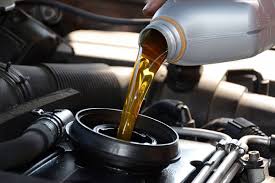
Consider these real-world scenarios:
-
Cold Winter Start: Even the highest-quality oil is thick and slow to circulate in cold weather. If pressure doesn’t build quickly, engine parts suffer before the oil can protect them. Proper pressure — adequate even at low temps — matters more than whether the oil has premium additives.
-
High-Speed Driving or Towing: Stress conditions demand consistent lubrication. No matter how good the oil is, if it can’t reach bearings under load, damage occurs.
In both cases, oil pressure is the gatekeeper that determines whether lubricant can do its job.
Conclusion
While oil quality is undeniably important, oil pressure is the engine’s lifeline. It determines whether oil — no matter how advanced — reaches critical areas quickly enough to protect moving parts. Proper oil pressure ensures that your engine runs smoothly, efficiently, and with greater longevity.
To keep both oil quality and pressure in top condition, always use the correct grade, stick to a maintenance schedule, and address pressure warnings promptly. And if you need reliable oil options, be sure to Buy Engine Oil online for a range of choices tailored to your vehicle’s needs.
By balancing quality oil with optimal pressure, you ensure that your engine remains healthy and performs at its best — mile after mile.