The engine block is literally the heart of your vehicle’s engine, housing essential components like cylinders, pistons, and coolant passages. A cracked engine block can lead to serious mechanical failure, costly repairs, and even total engine replacement. Understanding how engine blocks crack, the root causes, and the early symptoms can help vehicle owners act before catastrophic damage occurs.
In this article, we explore the most common causes of cracks, the warning signs to watch for, and what you can do to prevent or address this serious issue.
What Is an Engine Block and Why It Matters?
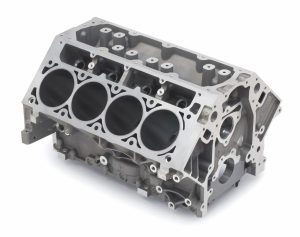
The engine block is usually made of cast iron or aluminum and serves as the main structural component of the engine. It withstands extreme heat, friction, and pressure. Despite being durable, it is not immune to damage, especially under stress.
A cracked engine block can cause:
-
Coolant leaks
-
Oil contamination
-
Loss of compression
-
Engine overheating
-
Complete engine failure
Primary Causes of Engine Block Cracks
A cracked engine block doesn’t occur overnight. It is typically the result of factors that either exert excessive stress on the block or weaken it over time.
1. Overheating
Engine overheating is the leading cause of block cracks.
| Cause | How It Leads to Cracking |
|---|---|
| Thermals | Rapid temperature changes cause metal expansion and contraction, which can weaken the block. |
| Coolant Loss | Low coolant levels fail to regulate engine temperature. |
| Faulty Radiator | Ineffective heat dissipation raises engine temperature. |
When the engine gets too hot, internal components expand. If this happens too quickly or too often, the metal can warp or crack.
2. Freezing Conditions
In cold climates, residual coolant can freeze if the antifreeze ratio isn’t correct. As water turns to ice, it expands, putting immense pressure on the block and potentially causing cracks.
3. Mechanical Stress and Wear
Parts like pistons, rods, and crankshafts exert tremendous pressure inside the engine. If a part fails or if the engine is pushed beyond its limits (e.g., by racing), the block can crack.
Common stress-related causes:
-
High RPM abuse
-
Poor tuning
-
Ignition timing issues
-
Excessive load
4. Manufacturing Defects
Though rare, imperfections in casting during manufacturing can create weak points. These defects might not show up until the engine has been under stress for some time.
Early Symptoms of a Cracking Engine Block
Identifying early symptoms can save time, money, and even prevent dangerous breakdowns.
Common Warning Signs
-
Coolant leaks under the vehicle
-
White smoke from the exhaust
-
Overheating with no obvious cause
-
Bubbles in the radiator or coolant reservoir
-
Milky oil (indicating coolant mixed with oil)
-
Loss of power or rough running
Symptom Checklist
Here’s a quick checklist to help you recognize potential signs:
Unexplained coolant loss
Repeated overheating events
Visible cracks on the engine block surface
Engine misfires or rough idle
Low compression in one or more cylinders
If you notice one or more of these symptoms, it’s crucial to have your vehicle inspected by a professional mechanic as soon as possible.
Diagnosis and Testing
A professional can confirm if the block is cracked using:
-
Pressure Testing
-
Detects leaks in the cooling system.
-
-
Compression Testing
-
Measures pressure in each cylinder.
-
-
Dye Penetrant Inspection
-
A dye reveals cracks on the surface.
-
-
Thermal Imaging
-
Identifies abnormal heat patterns.
-
Repair Options
Once a crack is confirmed, there are limited options:
Short-Term Fixes
-
Epoxy or Sealants – Temporary solution in minor cases.
-
Welding – Requires expertise and depends on the severity.
Long-Term Solutions
-
Engine Block Replacement
-
Engine Rebuild
-
Buying a New or Remanufactured Block
If the damage is severe, replacement is often the most reliable path.
Prevention Tips
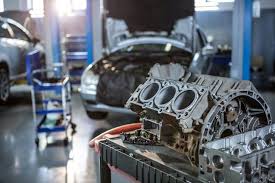
Preventing a cracked engine block starts with good maintenance and driving habits.
Best Practices
-
Keep coolant at proper levels and ratios
-
Maintain the cooling system (radiators, hoses, thermostat)
-
Avoid excessive idling in hot weather
-
Warm up the engine in cold weather
-
Don’t push the engine beyond recommended RPMs
-
Regularly inspect for leaks or overheating
Cost Implications
A cracked engine block can be expensive to repair. Depending on the extent of the damage, costs may include:
-
Diagnostic fees
-
Coolant system repairs
-
Welding costs
-
Engine replacement parts
-
Labor
Often, replacing the engine block is more economical in the long run than constant repairs.
For vehicles beyond simple fixes, consider options to buy Engine Block online for a safer, long-term solution.
Conclusion
Cracks in the engine block are serious but not always immediately catastrophic if caught early. Understanding the causes — such as overheating, freezing conditions, mechanical stress, and manufacturing defects — can help you take preventative action. Always pay close attention to early symptoms like coolant leaks, overheating, and changes in engine performance.
Regular maintenance, prompt diagnostics, and timely repairs can extend your engine’s life. And when repair isn’t enough, you can choose to buy Engine Block online to get your vehicle back to optimal performance. Acting early makes all the difference in saving you time, money, and stress.