When choosing or rebuilding an engine, one of the most important — yet often misunderstood — design differences is whether the engine block is sleeveless or sleeved. This distinction affects durability, repairability, cooling efficiency, and overall engine performance. Understanding how each design works helps vehicle owners, mechanics, and performance enthusiasts make better long-term decisions.
This article explains what sleeveless and sleeved engine blocks are, how they differ, their advantages and disadvantages, and which option may be best for your application.
What Is an Engine Cylinder Sleeve?
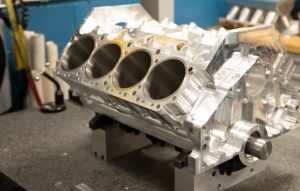
A cylinder sleeve (also called a liner) is a cylindrical insert installed inside the engine block’s cylinder bore. Its purpose is to provide a durable, wear-resistant surface for the piston to move against.
Engine blocks fall into two main categories:
-
Sleeveless engine blocks
-
Sleeved engine blocks
Each design has unique engineering goals and trade-offs.
Sleeveless Engine Blocks
Sleeveless blocks do not use removable cylinder liners. Instead, the cylinders are machined directly into the block material itself, typically cast iron or aluminum with a special coating.
Key Characteristics
-
Cylinders are part of the block casting
-
Common in modern mass-produced engines
-
Often lighter in weight
-
Lower manufacturing cost
Advantages of Sleeveless Blocks
-
Simpler design with fewer components
-
Better heat transfer from cylinder to block
-
Lower production and replacement costs
-
Reduced risk of sleeve movement or failure
Disadvantages
-
Limited repair options after severe wear or damage
-
Overboring potential is restricted
-
Major cylinder damage may require full block replacement
Sleeved Engine Blocks
Sleeved engine blocks use separate liners pressed or cast into the block. These sleeves can be dry (not in direct contact with coolant) or wet (coolant flows directly around the sleeve).
Key Characteristics
-
Replaceable cylinder liners
-
Common in heavy-duty, racing, and diesel engines
-
Designed for long service life and rebuildability
Advantages of Sleeved Blocks
-
Cylinders can be replaced instead of the entire block
-
Better suited for high-performance and high-load engines
-
Ideal for engines expected to undergo multiple rebuilds
-
Increased resistance to cylinder wall wear
Disadvantages
-
Higher manufacturing and repair costs
-
More complex installation
-
Slightly increased weight
-
Risk of coolant leaks in wet-sleeve designs
Sleeveless vs Sleeved: Comparison Table
| Feature | Sleeveless Engine Block | Sleeved Engine Block |
|---|---|---|
| Cylinder Design | Machined into block | Separate liner inserted |
| Repairability | Limited | High |
| Cost | Lower | Higher |
| Weight | Lighter | Heavier |
| Cooling Efficiency | Good | Very good (wet sleeves) |
| Performance Use | Daily driving | Racing, heavy-duty |
| Engine Lifespan | Moderate | Long-term, rebuildable |
Dry Sleeves vs Wet Sleeves
Sleeved engine blocks can be further categorized:
Dry Sleeves
-
Do not contact coolant directly
-
Easier to install
-
Less risk of coolant leakage
-
Slightly reduced cooling efficiency
Wet Sleeves
-
Coolant flows around the sleeve
-
Excellent heat dissipation
-
Common in diesel and industrial engines
-
Requires precise sealing
Which Engine Block Type Should You Choose?
The best choice depends on how the engine will be used.
Sleeveless Blocks Are Ideal If You:
-
Drive a standard passenger vehicle
-
Want lower ownership and replacement costs
-
Don’t plan multiple engine rebuilds
-
Prioritize lighter engine weight
Sleeved Blocks Are Better If You:
-
Operate high-performance or racing engines
-
Own commercial or heavy-duty vehicles
-
Expect long service life and rebuild cycles
-
Need maximum durability under stress
Common Myths About Sleeved Engines
Myth: Sleeved engines are always stronger
Fact: Strength depends on materials, design, and application.
Myth: Sleeveless blocks can’t be repaired
Fact: Minor damage can be repaired, but severe wear limits options.
Myth: Sleeves reduce performance
Fact: In performance engines, sleeves often improve reliability at high power levels.
Replacement and Upgrade Considerations
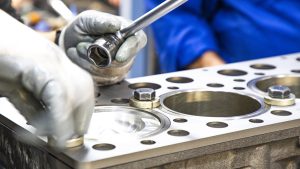
When cylinder damage exceeds repair limits, replacing the engine block may be the most cost-effective and reliable solution. In such cases, many vehicle owners choose to buy Engine Block online to ensure compatibility, quality, and long-term performance.
Modern replacement blocks are available in both sleeved and sleeveless designs, allowing you to match your engine’s original specifications or upgrade for improved durability.
Conclusion
Sleeveless and sleeved engine blocks each serve distinct purposes in engine design. Sleeveless blocks offer simplicity, lower cost, and efficiency for everyday vehicles, while sleeved blocks provide superior durability, rebuildability, and performance under extreme conditions.
Understanding these differences helps you make informed decisions during repairs, upgrades, or replacements. Whether maintaining a daily driver or building a high-performance engine, selecting the right block design is critical. And when replacement becomes necessary, choosing to buy Engine Block online can provide a dependable foundation for your engine’s future performance.