In internal-combustion engines, especially pushrod (OHV) engines, tappets — also called valve lifters — play a critical role: they translate the motion of the camshaft into motion that opens or closes the engine’s valves.
But not all tappets are built the same. Broadly speaking, there are two major categories: hydraulic tappets and solid (mechanical) tappets. Each has its own strengths and trade-offs. In this article we explore how they differ, how they affect engine behavior, and when you might prefer one over the other.
What Are Tappets / Lifters?

A tappet (also called a cam follower or lifter) is a component placed between the camshaft lobe and the rest of the valve train (pushrod, rocker arm, valve). Its job is to “follow” the cam profile — converting the cam’s rotational lobed profile into linear motion that opens or closes valves.
Depending on the engine design, tappets can contact the cam directly (as in many pushrod engines) or work in tandem with pushrods and rocker arms.
There are also variants: tappets can have a flat “heel” (flat tappet) or a roller (roller tappet) at the contact surface. Meanwhile, both flat and roller tappets can be either solid or hydraulic.
How Hydraulic and Solid Tappets Work — Key Differences
Here is a comparison table illustrating the fundamental differences between the two types:
| Feature / Aspect | Solid (Mechanical) Tappets | Hydraulic Tappets (Lifters) |
|---|---|---|
| Construction | Simple solid cylinder (or with roller), rigid metal-on-metal contact. | Cylinder housing a small piston/plunger + oil-filled chamber, internal spring + check valve. |
| Valve Clearance (“Lash”) | Requires manual adjustment of clearance (lash) to accommodate thermal expansion and wear. | Automatically adjusts clearance using oil pressure — maintains “zero lash” (no gap) dynamically. |
| Maintenance | Periodic valve-lash adjustment needed (especially as engine wears or after rebuild). | Very little maintenance required (as long as oil quality and pressure are maintained). |
| Noise Level | Noticeable valve-train noise, especially at idle or low RPM (due to lash). | Quiet operation — elimination of lash reduces valvetrain ticking/tapping. |
| High-RPM Performance | Excellent: rigid valvetrain tolerates high RPM, aggressive cam profiles, steep cam lobe ramps. | Limited: prone to issues like “pump-up” or “float” at high RPM, especially with weak valve springs or insufficient oil pressure. |
| Sensitivity to Oil Quality | Less sensitive — no hydraulic mechanism relying on oil pressure. | More sensitive — clogged oil passages or degraded oil may impair lifter function, cause collapse or noisy lifters. |
| Valve-train “Feel” / Characteristics | Direct, stiff, precise; good for racing or high-performance builds. | Cushioned, smooth; good for normal street driving, comfort, everyday reliability. |
Pros and Cons — When to Use Which
Solid Tappets — Pros
-
High RPM capability: Rigid design tolerates aggressive cam profiles and high RPM operation without lifter collapse or float.
-
Precision & reliability at high performance: Direct metal-on-metal contact ensures accurate valve timing; valvetrain is less likely to flex.
-
Simplicity: Fewer internal parts, less dependence on oil pressure or oil condition. Easier to diagnose mechanical wear.
Solid Tappets — Cons
-
Need regular maintenance: Valve lash must be checked and adjusted periodically.
-
Noisy: Valvetrain noise at idle or low RPM due to lash clearance.
-
Wear and cam-lobe stress: Sliding contact can cause cam and tappet wear; requires careful lubrication and occasional maintenance.
Hydraulic Tappets — Pros
-
Low maintenance: Valve lash adjusts automatically using oil pressure — no frequent manual adjustments.
-
Quiet, smooth operation — great for daily driving, long trips, comfort-focused engines.
-
Automatic compensation for thermal expansion/wear — lifter adjusts if parts expand when hot or wear over time.
Hydraulic Tappets — Cons
-
Limited high-RPM performance: At elevated engine speeds hydraulic tappets may “pump up,” hold valves open too long (valve float), or collapse (if oil bypasses), limiting reliability in high-revving engines.
-
Oil-quality dependency: Dirty oil, wrong viscosity, or inadequate oil pressure can cause lifter malfunction — noisy lifter, collapsed lifter, poor valve timing.
-
Slightly heavier and more complex: Hydraulic lifters are more complicated internally, have moving parts (piston, check-valve), and sometimes slightly heavier than simple solid tappets.
Choosing Between Hydraulic and Solid Tappets: Use Cases
When hydraulic tappets make sense
-
Everyday street cars, commuter vehicles, family cars — when smooth operation, quietness, and minimal maintenance matter.
-
Engines intended for longevity, reliability, and low upkeep, rather than absolute performance.
-
Situations where frequent valve-lash checks or manual adjustments are inconvenient or impractical.
When solid tappets make sense
-
Performance or racing engines — where high RPM, aggressive cam profiles, maximum valve lift and precise valve timing are required.
-
Custom-built or modified engines optimized for power, responsiveness, and durability under stress.
-
Applications where maintenance is expected (regular valve lash adjustment), and periodic tuning is part of upkeep.
The Reality: Flat vs Roller + Hydraulic vs Solid
It’s important to note that “flat vs roller” (the shape of tappet’s contact surface) and “hydraulic vs solid” (the adjustment mechanism) are two separate attributes. For example:
-
A tappet can be flat + solid (classic design), or flat + hydraulic, or even roller + solid or roller + hydraulic.
-
Roller tappets reduce friction and allow much more aggressive cam lobe profiles, which improves performance and reduces wear.
-
Combining hydraulic adjustment with a roller tappet gives a compromise: smoother operation + reduced friction + automatic lash — often seen as a “best of both worlds” for many modern engines.
So when choosing tappets, you should consider both the contact type (flat or roller) and the adjustment mechanism (solid or hydraulic), depending on your engine’s purpose.
Practical Considerations When Using Hydraulic or Solid Tappets
-
Oil quality and maintenance are crucial for hydraulic tappets — using correct oil viscosity and changing oil on schedule helps avoid lifter collapse or malfunction.
-
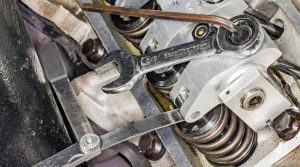
Solid tappets require periodic valve-lash checks and adjustments — after initial installation, after break-in, and periodically during the engine’s life.
-
Valve springs and cam profile compatibility matter, especially on hydraulic tappets — weak springs + steep cams can cause valve float; roller tappets often require stronger springs for aggressive cams.
-
For engine rebuilds or upgrades, consider using roller-type tappets (hydraulic or solid) when moving to performance cams — roller tappets reduce friction, wear, and allow more aggressive cam profiles.
Also, if you need to buy tappets / lifters (hydraulic or solid), it’s worth sourcing quality parts rather than cheap generic ones. For example, you can find suitable tappets / rocker arms via many specialist suppliers — you may even “buy Rocker/Tappet online” to suit your needs.
Conclusion
Choosing between hydraulic and solid tappets (lifters) essentially comes down to what you want from your engine.
-
If you value quiet operation, low maintenance, smooth daily driving, then hydraulic tappets are likely the better choice — they self-adjust, compensate for thermal expansion and wear, and generally keep valve-train noise down without constant tinkering.
-
But if you’re building a performance-oriented engine, aiming for high RPMs, aggressive cam profiles, sporty behavior, then solid tappets (especially when paired with roller design) still hold a strong advantage — thanks to their rigidity, precise valve control, and reliability under stress.
In the end, the “best” choice depends on intended use — and many engine builders make that trade-off consciously. Understanding the differences, advantages, and limitations helps you make the right decision for your build.
And when you need replacement or upgrade parts for your valve train — whether tappets, lifters, or rocker arms — you can buy Rocker/Tappet online from specialized suppliers.